
Did Someone Need A PC?
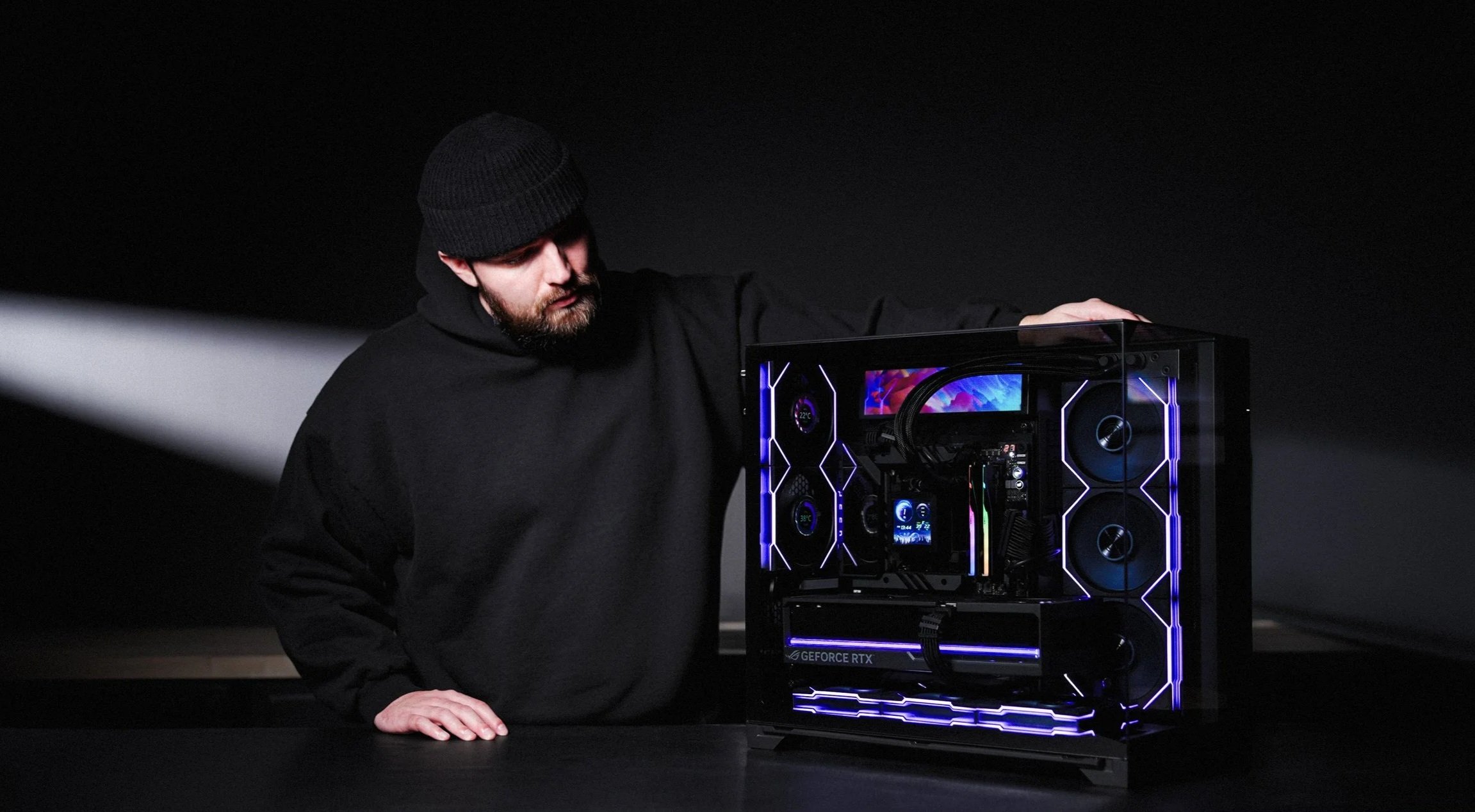
OgRobby - PC Build
A lot of people think building a PC is about buying the most expensive parts you can afford.
In reality, that’s usually how you end up disappointed.
What actually matters is how well everything works together. Compatibility, balance, airflow, and long-term reliability will always beat a pile of high-end parts that don’t make sense together.
That’s the mindset behind this build.
You can watch the video HERE.
It Always Starts With the Foundation
Every build starts the same way for me — the motherboard.
For this system, I went with the ASUS ROG Crosshair Hero. Not because it’s flashy, but because it’s stable, well-built, and gives me room to work without worrying about limitations later.
When the board is solid, everything else gets easier. Power delivery is predictable, expansion isn’t an issue, and the system just feels more reliable long-term.
CPU Choice Is About Feel, Not Charts
The CPU in this build is the AMD Ryzen 7 9800X3D.
This chip makes sense for how people actually use their PCs. Gaming feels smooth. Creative work doesn’t stutter. Multitasking doesn’t bog the system down.
I’m not chasing benchmark screenshots. I care about how the system feels after hours of use — and this CPU delivers that consistently.
The Small Details Matter More Than People Think
(Thermal Grizzly & Socket Protection)
Before the cooler goes on, I always install a contact sealing frame.
AM5 sockets leave small gaps around the CPU, and if you’ve ever had to clean thermal paste out of a socket, you already know why this matters. Over time — especially if you remount a cooler — paste can end up where it shouldn’t.
That’s why I use a Thermal Grizzly AM5 Contact Sealing Frame.
It doesn’t improve performance numbers.
It doesn’t lower temps on a chart.
What it does is protect the socket and make the system easier to maintain long-term. These are the kinds of things you only start caring about after building enough systems.
Memory Is About Stability, Not Hype
RAM is another area where people overspend or overthink.
This build runs DDR5-6000 EXPO memory because it’s consistently stable on this platform. With Ryzen systems, memory compatibility directly affects how smooth everything feels.
When RAM is unstable, you feel it everywhere. When it’s right, the system just works — and that’s the goal.
Storage Where It Actually Counts
The primary NVMe drive goes into the CPU-connected M.2 slot. That’s where latency is lowest and performance is most consistent.
This is where the operating system lives. Games, projects, daily use — everything touches this drive. It’s not about peak speeds on a box, it’s about consistency under real use.
Additional NVMe drives handle games and larger files so nothing ever feels bottlenecked.
Airflow Isn’t Optional — It’s Everything
Airflow is one of the most misunderstood parts of PC building.
People talk about it constantly, but very few actually test it.
This system is built in the Lian Li O11 Vision, with a fan layout designed so air moves cleanly through the case, not against itself.
Reverse-blade fans bring fresh air in from the bottom and rear. Exhaust fans give hot air a clear path out. Nothing recirculates. Nothing gets trapped.
To show this properly, I ran a smoke test through the system. You can actually see how quickly the air moves through — smooth, steady, no turbulence.
That’s what you want.
Good airflow keeps temperatures stable without aggressive fan speeds. It keeps noise down. It keeps components happy long-term. No amount of expensive hardware can fix bad airflow.
GPU: Powerful, but Balanced
The graphics card in this build is the ASUS ROG Astral RTX 5080.
It handles gaming and creative workloads easily without feeling pushed to its limits. When a GPU isn’t constantly stressed, performance stays consistent — and that matters more than peak numbers.
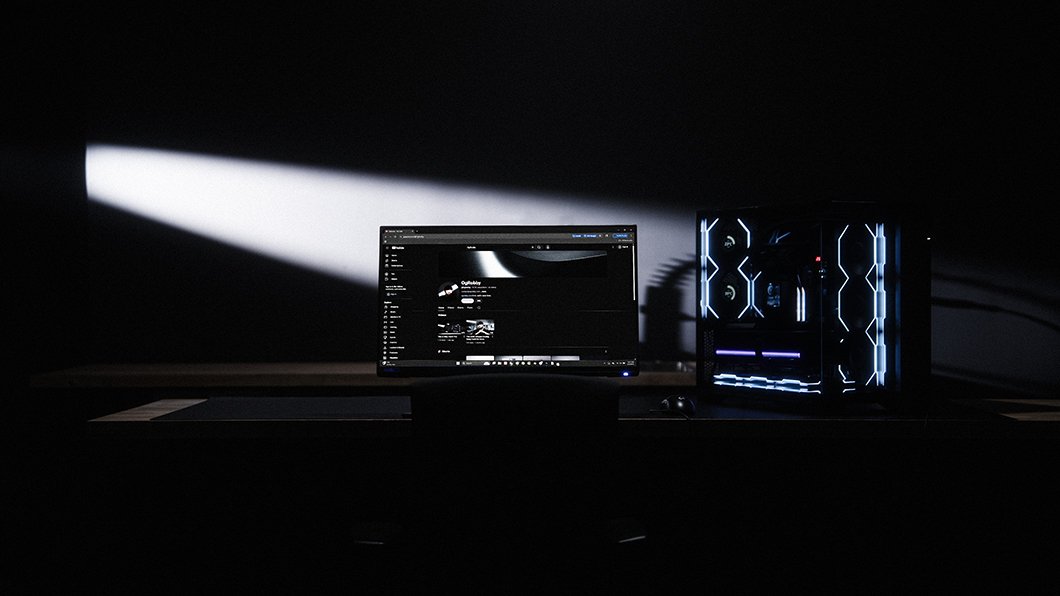
The Biggest Lesson From This Build
Here’s the part I always try to explain:
You can build a PC with cheaper parts that work well together and end up with better real-world performance than a system full of expensive hardware that doesn’t.
Compatibility matters.
Airflow matters.
Balance matters more than price.
That’s how you get a system that actually feels good to use.
When a Build Is Done
Once airflow is right, temperatures are stable, and everything works together the way it should — the build is done.
There’s nothing left to chase.
That’s when I know it’s ready to leave my hands.
Thanks for reading, and thanks for being part of the journey.
