
best gaming phone of 2026 red magic 11 pro / air
OgRobby - RedMagic
The gaming phone category has matured. What used to be experimental hardware is now refined, intentional engineering built around sustained performance. The RedMagic 11 Air and RedMagic 11 Pro represent two different interpretations of that philosophy.
Both are built for power users. Both prioritize thermals and gaming stability. But they approach design and balance differently — and those differences matter.
Full Video: (Link)
Design Philosophy: Aggressive vs Refined
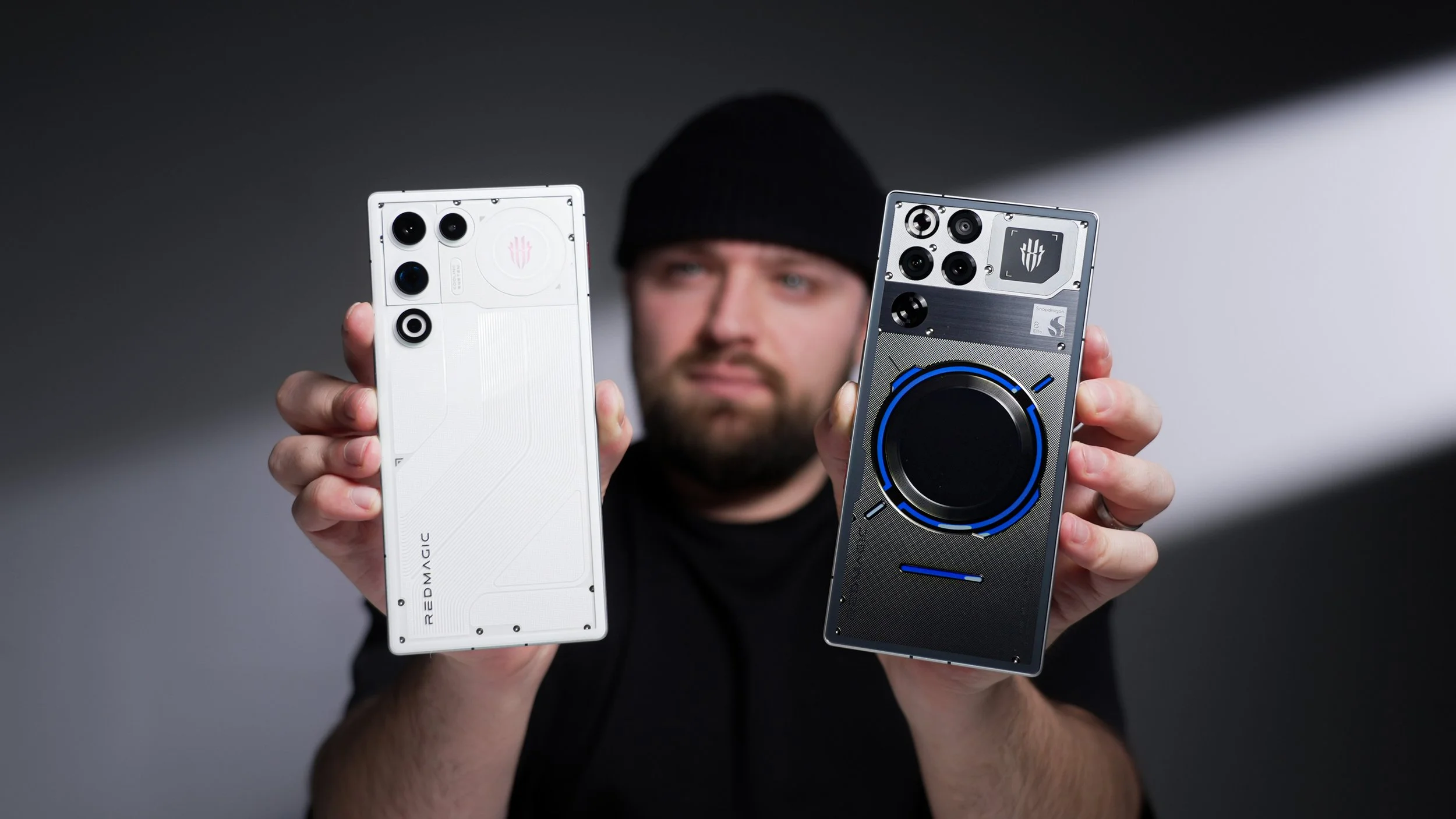
The RedMagic 11 Air leans into visual aggression. It’s thinner, lighter, and designed to feel quick in the hand. However, the first thing you notice — and the only design choice I genuinely dislike — is the rear camera module.
On the 11 Air, the camera protrudes.
For a gaming device that is otherwise engineered around flat, stable ergonomics, the bump feels unnecessary. It disrupts the symmetry and creates subtle instability when placed flat on a desk. For a performance-focused device, that detail matters.
By contrast, the RedMagic 11 Pro integrates the camera system directly into the chassis. No bump. No protrusion. The camera sits flush within the body. The phone feels monolithic — almost industrial in execution.
It’s a small difference in spec sheets.
It’s a noticeable difference in ownership.
Performance and Internal Architecture
Both devices are engineered around high-end silicon and thermal management systems designed for sustained load.
RedMagic 11 Air
Flagship-tier Snapdragon chipset
High refresh rate OLED display
Active cooling architecture
Fast LPDDR5X memory
UFS 4.0 storage
High sampling rate touch response
The Air is optimized for speed and portability. It feels responsive, fast, and thermally stable under pressure.
RedMagic 11 Pro
Top-tier Snapdragon platform (higher binning)
Larger vapor chamber + advanced cooling
Higher RAM ceiling
Larger battery capacity
More aggressive sustained performance profile
The Pro is built to hold performance longer under extended gaming sessions. It’s less about mobility and more about dominance in sustained load scenarios.
Both are extremely capable. The Pro simply has more headroom.
Displays: Competitive Grade Panels
Both phones deliver:
High refresh rate AMOLED panels
Fast touch sampling
Strong brightness levels
Gaming-oriented calibration
These are not casual displays. They are built for responsiveness first. Motion clarity is excellent, and input feels immediate on both models.
For competitive mobile gaming, neither device is lacking.
Cameras: Good Rear, Weak Front
Let’s separate this clearly.
Rear Cameras
Both the RedMagic 11 Air and 11 Pro deliver solid rear camera performance. Image processing has improved compared to previous generations. Daylight shots are sharp. Dynamic range is respectable. Colors are controlled without being over-saturated.
They are not flagship photography leaders — but they are absolutely usable and more than acceptable for a gaming-first device.
For creators who occasionally shoot B-roll or social content, the rear cameras are capable.
Video testing rear camera: (Link)
Front Cameras
This is where both devices fall short.
The front-facing cameras on both models are underwhelming. Detail is soft. Low-light performance is weak. Video stabilization is serviceable at best. If front-camera performance is a priority — streaming, vlogging, consistent selfie use — this is not where RedMagic leads the market.
These phones are engineered for gaming and performance first. The front camera feels like a secondary consideration.
Cooling and Sustained Load Behavior
RedMagic’s identity is built around thermals, and both devices reflect that.
The 11 Air manages heat impressively given its thinner profile. The Pro, however, is clearly tuned for longer sessions with less throttling under sustained load.
For marathon gaming sessions, the Pro holds performance more consistently. For shorter bursts or portable use, the Air feels lighter and more agile.
Ergonomics and Handling
The Air feels more maneuverable. It’s easier to hold for extended sessions due to reduced weight.
The Pro feels denser and more premium — especially with the flush camera housing. It has a more serious presence.
The camera bump on the Air is the only physical detail that detracts from an otherwise clean design.
It’s not a deal-breaker.
But it’s noticeable.
Battery and Charging
The Pro carries a larger battery and typically more aggressive charging options. It is the endurance model.
The Air balances battery with thinner chassis constraints, still offering strong longevity, but clearly not at Pro-level capacity.
Which One Makes More Sense?
If you want:
Slightly lighter feel
High-end performance in a slimmer body
Strong thermals for most use cases
The RedMagic 11 Air is a compelling choice — camera bump aside.
If you want:
Maximum sustained performance
Flush rear camera integration
Larger battery
Heavier, more premium feel
The RedMagic 11 Pro is the more complete device.
Final Thoughts
RedMagic understands its audience.
Both the RedMagic 11 Air and RedMagic 11 Pro are built around performance first, with cameras as secondary features. The rear cameras are surprisingly solid. The front cameras are clearly not the focus.
The only true design misstep on the 11 Air is the protruding rear camera module — especially when the Pro demonstrates that a flush integration is possible.
Between the two, the Pro feels more refined. The Air feels more agile.
Neither feels compromised where it matters most: performance.
And in the gaming phone category, that’s exactly the point.
RedMagic 11 Pro (Link)
RedMagic 11 Air (Link)
